The Calm Before the Arkansas Climbs
Is there any true way to prepare for the unpredictable crosswinds of the Arkansas river valley?
Riders clustered near the right-side barriers during the staging phase. They positioned themselves deliberately to find shelter from the forecasted cross-headwind coming off the river before the rollout began. Forecasts put the start-line cross-headwind at 14 mph, setting an immediate tone. The staging phase occurred between 6:15 AM and 6:45 AM. Starting temperature hovered near 58 degrees Fahrenheit.
Shared tension at the line
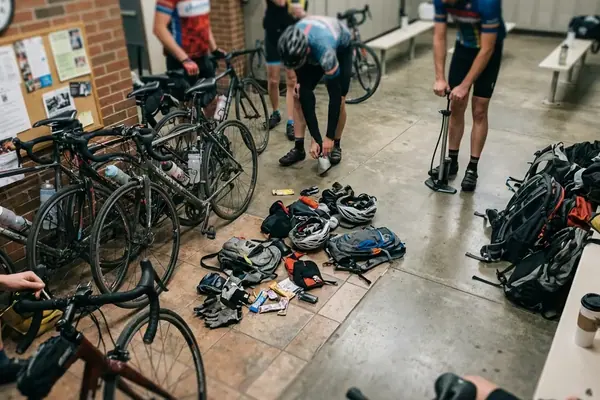
Energy built as riders checked tires and adjusted layers. Everyone knew the route would demand sustained power across exposed ridges and steep pitches later.
Navigating the Early Miles and First Attacks
The neutral rollout from the city center lasted just over 4.2 miles. Pace jumped from around 18 mph to about 26 mph as the timing chips activated. Local elite squads initially attempted to form an echelon formation across the two-lane county road near mile 12. They abandoned the tactic after realizing the dense tree cover negated the crosswind advantage.
First climb fractures the field
The main peloton split on the initial rise. Early breakaways formed by prominent local Arkansas cycling teams gained small gaps that would matter later.
Where the Gran Fondo Was Won and Lost
Analysis of the defining elevation gains in the middle sector of the route shows clear separation points. The lead group's decision to push the pace on the primary ascent was dictated by the gearing choices of the climbers. They maintained a high cadence to force heavier riders into the red zone early.
Primary ascent featured an roughly 1.8-mile stretch at an average gradient of about 10%. Cadence stayed above 90 rpm by the lead climbers. Elevation gain reached shy of 1,150 feet over a 6-mile sector. Riders on lightweight climbing frames responded better to the steep gradients than those on heavier setups.
Crossing the Line: Top Finishers and Standouts
The high-speed sprint to the finish line back into the city limits decided everything. Sprint trains formed organically in the final three miles. Lead-out riders peeled off at the 400-meter mark to let the sprinters launch their final kicks on the slight downhill into the city limits.
Official podium results placed the winner by a gap of not far from 1.2 seconds in the elite category. Finishing times for the top ten clustered within a 45-second window. Age-group victories and aggressive solo efforts stood out among the results.
Gear Limitations on the Grueling Tarmac
Based on community experience, deep-section aero wheels exceeding 50mm in depth created handling issues in the exposed sections. Sustained crosswinds of 18 to 22 mph on the exposed ridge turned those wheels into liabilities above 1,200 feet of elevation. Mechanics in the neutral support vehicles prioritized swapping entire wheelsets rather than attempting roadside puncture repairs during the exposed ridge sections.
Risk Factor: Standard 50/34 compact cranksets paired with 11-28 cassettes left riders stalling out on the roughly 14% pitches of the primary mountain climb. Attrition followed for those who missed time cutoffs after mechanical issues.
Celebrating the Ride in Downtown Little Rock
The transition from fierce competition to community celebration happened quickly at the finish line festival. Organizers routed the finish line directly into the local arts district. They deliberately funneled riders into a closed-off radius to encourage immediate post-ride mingling rather than rapid dispersal.
A three-block radius closed to vehicle traffic. The post-ride festival ran from 11:30 AM until 4:00 PM. The event strengthened the local Little Rock cycling community and built anticipation for next year's route adjustments.