In this Article
- Are You Ready to Conquer the 100-Mile Milestone?
- Pre-Requisites and Essential Gear for the Long Haul
- The Methodology: Why This Plan Works (And Its Limits)
- Weeks 1-4: Building Your Aerobic Base
- Weeks 5-8: Pushing the Distance and Adding Intervals
- Weeks 9-12: Peak Mileage and the Crucial Taper
- Fueling, Safety, and Form on the Bike
Are You Ready to Conquer the 100-Mile Milestone?
What happens when your legs turn to lead at mile 70?
That is the point where a century ride stops feeling like a long Saturday cruise and starts asking real questions. Did you build enough aerobic capacity? Did you eat early enough? Did you respect heat, pacing, and saddle time, or did you simply hope motivation would carry the last third?
Based on community experience, glycogen depletion can force a severe drop in power output for many amateur riders between hours 4 and 5. On late-morning summer rides, that heavy-leg feeling around mile 70 often lines up with a core temperature rise of about 1 to 1.5 degrees. The body does not care that the route looked friendly on the event page.
A structured 12-week plan gives the ride a backbone. Not drama. Not panic mileage. Just progressive stress, repeatable fueling, and enough recovery to let fitness actually show up on event day.

Critical Insight: A first century is not a test of toughness alone. It is a test of whether your training teaches the body to keep working after the easy fuel is gone.
Pre-Requisites and Essential Gear for the Long Haul
Start from a real baseline
The first common question is simple: can a beginner really train for 100 miles in 12 weeks?
Yes, if beginner means you already ride 15 to 20 miles comfortably. That baseline equals roughly 60 to 85 minutes of continuous saddle time. If that sounds like a stretch, spend a few weeks getting there before starting Day 1. The plan works better when the opening week feels controlled, not like a rescue mission.
Use gear that removes distractions
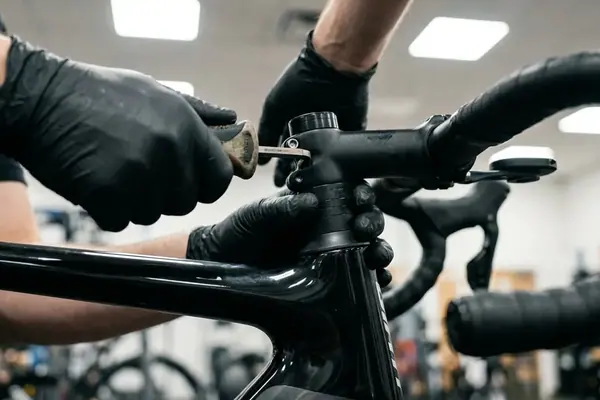
A properly fitted road bike matters. An endurance frame such as a Giant Defy or Liv Avail puts the rider in a position that supports long, steady work instead of turning every mile into a wrestling match with the front end.
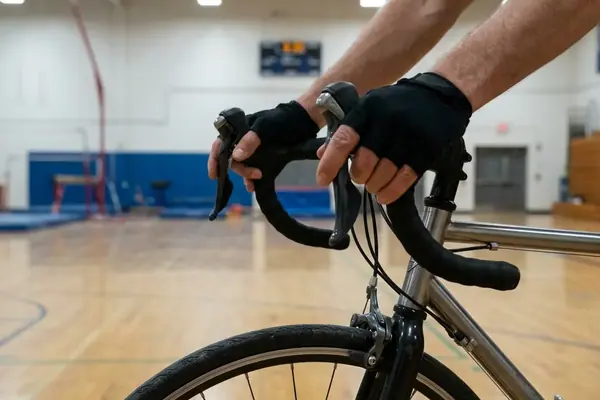
- Bike fit: Hands should reach the hoods without locking the elbows or shrugging the shoulders.
- Bib shorts: Quality chamois support becomes noticeable after the second hour, when cheap padding starts to fold and chafe.
- Helmet: Use a reliable, undamaged helmet that sits level and tight enough to stay planted.
- Flat kit: Carry a spare tube, tire levers, and CO2 inflator in a saddle bag.
- Bottles: Bring two large bottles, not one bottle and a promise to refill somewhere.
For endurance road frames with 28mm tires, a 75-80 psi range helps absorb chip-seal vibration without making the bike feel vague. That small pressure choice saves hands, shoulders, and patience over hours of rolling pavement.
Recommendation: Before the first long ride, set tire pressure, fill both bottles, and pack the repair kit the night before. Morning decisions get sloppy when nerves are high.
The Methodology: Why This Plan Works (And Its Limits)
Periodization in plain riding terms
This plan uses periodization: stress the body, let it adapt, then stress it a little more. The structure follows a 3:1 load-to-recovery rhythm, with weekly volume dropping by roughly a third during the recovery week.
That rhythm is not decoration. It keeps the aerobic system moving forward while giving connective tissue, sleep quality, and motivation time to catch up. Mandatory rest days also include a full 48-hour block off the bike every 14 days.
Skipping those days does not make the rider disciplined. It usually makes the rider tired.
What the plan is, and what it is not
This schedule is built to help a new century rider finish comfortably. It is not built to win a sprint finish, chase every town-line sign, or turn the final climb into a personal trial.
There is also a route caveat. This progression assumes a relatively flat to rolling century. If the target event includes upward of 4,500 feet of elevation gain, the weekend long rides need sustained climbing blocks. Without them, the rider arrives with general endurance but not enough climbing-specific durability.
Risk Factor: Attempting to bank weekly mileage by skipping Tuesday and Thursday sessions, then cramming 60 miles into Sunday, often leads to IT band inflammation. Fitness responds to repeated manageable stress, not one oversized apology ride.
Weeks 1-4: Building Your Aerobic Base
The beginner progression
The first month should feel almost too calm. That is the point.
Ride three weekdays for 60 to 90 minutes each, then complete one weekend long ride. Keep the effort conversational. If you cannot speak in full sentences, you are probably above Zone 2 and borrowing energy from later in the week.
Zone 2 work builds the aerobic machinery that makes century pacing possible. Capillary density improves through repeated low-intensity volume, not by turning every ride into a private race.
Weekend long rides
- Week 1: 25 miles
- Week 2: 30 miles
- Week 3: 35 miles
- Week 4: 40 miles
Group sessions showed that beginners handled this block better when the instructions stayed narrow: ride easy, finish steady, write down what you ate and drank. We initially included high-cadence spin drills in the first four weeks, but dropped them after seeing riders chase pedal technique and lose the Zone 2 ceiling.
There is a good coaching lesson in that. Early training should build confidence. Complexity can wait.
Critical Insight: The win in Weeks 1-4 is not speed. The win is finishing the 40-mile ride with stable breathing, calm hands, and enough energy to function after the bike is back in the garage.
Weeks 5-8: Pushing the Distance and Adding Intervals
When easy riding needs a little pressure
By Week 5, most riders ask the same question: should I still ride easy all the time?
Mostly, yes. But now the plan adds gentle tempo intervals during weekday rides to build muscular endurance. Use 3x8 minute blocks at a brisk effort, separated by 4-minute recovery spins. Brisk means controlled pressure on the pedals, not a lung-burning chase.
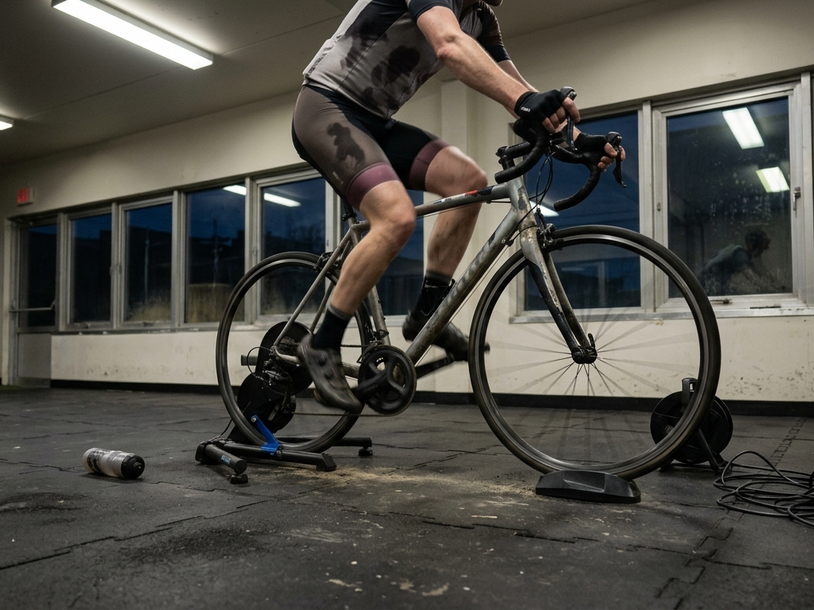
The weekend rides now move beyond familiar territory.
- Week 5: 45 miles
- Week 6: 50 miles
- Week 7: 60 miles
- Week 8: 65 miles
The three-hour shift
Something changes not far from the 180-minute mark. The ride stops being only cardiovascular. Contact points start making arguments. The saddle, gloves, shoes, and neck all submit their own reports.
Shift saddle position every 15 to 20 minutes to relieve perineal pressure. Stand briefly when safe. Reset the shoulders. Open and close the hands. These are not comfort hacks; they are endurance skills.
This is also the block where riders learn whether their weekend pacing is honest. If the final hour of every long ride turns into survival, start slower. A century rewards restraint early and patience late.
Recommendation: Keep tempo work on weekdays and protect the weekend long ride from ego. The long ride should teach fueling, posture, and rhythm under fatigue.
Weeks 9-12: Peak Mileage and the Crucial Taper
Peak without overreaching
Weeks 9 and 10 carry the heaviest training load, but the goal is still not exhaustion. Week 10 peaks with a 75-80 mile continuous ride. That ride is long enough to expose pacing mistakes and fueling gaps without digging a hole too deep to climb out of before event day.
In group assessments, the temptation is predictable: if 80 is good, 90 must be better. Not usually. The extra distance can add recovery cost without giving much additional aerobic return for a first-century rider.
Peak training should confirm readiness, not prove courage.
Taper so fitness can surface
Weeks 11 and 12 reduce volume to shed fatigue while keeping the legs awake. This is where some riders get jumpy. They feel better, then assume they are losing fitness because the schedule looks lighter.
Do not fill the quiet space with panic miles.
During the final week, use only short, easy spin sessions. Week 12 drops to two 30-minute activation spins at upward of 90 rpm before event day. Keep pressure light. Finish each spin fresher than you started.
Risk Factor: The taper feels suspicious because fatigue has masked fitness for several weeks. Trust the reduction. A rested rider with 80 miles in the legs usually performs better than a tired rider who chased one more long workout.
Fueling, Safety, and Form on the Bike
Eat early, drink early
The golden rule still holds: eat before you are hungry, drink before you are thirsty.
For century preparation, target 30-60g of carbohydrates per hour. In practical terms, that can mean one 24-ounce bottle of sports drink and half a solid energy bar every 45 to 50 minutes. Riders training in high humidity areas like the Arkansas River Valley during July may need to increase fluid intake to 24-30 ounces per hour and add a dedicated sodium supplement.
Hydration needs vary with heat, sweat rate, and ride intensity, so it is worth reading the American College of Sports Medicine’s guidelines on exercise and fluid replacement before dialing in a hot-weather plan.
Keep the upper body quiet
Fatigue often shows up first above the waist. Riders lock their elbows, crane the neck, and squeeze the bars as if grip strength can create more glycogen.
Relax the jaw. Drop the shoulders. Bend the elbows slightly. Shift hand positions between the hoods, drops, and tops every 10 to 12 minutes to reduce ulnar nerve compression. Good form does not make the century easy, but it keeps avoidable pain from stealing attention.
On-Bike Fueling & Safety Checklist
- 2x 24oz water bottles: one electrolyte, one plain water
- 30-60g carbohydrate source per hour of planned riding
- Saddle bag with spare tube, tire levers, and CO2 inflator
- Pre-ride tire pressure check: 75-80 psi for 28mm tires
- Helmet secured and checked before rolling
- Hand position changes every 10-12 minutes
- Plan adjustment if sharp pain appears
Sharp pain deserves attention. Back off, shorten the ride, or stop. Soreness can belong in training; stabbing knee, hip, or foot pain does not need a motivational speech.
Critical Insight: A successful first century usually looks boring on paper: steady riding, steady eating, steady drinking, and no heroic decisions after mile 70.