The Stakes of the Data Game
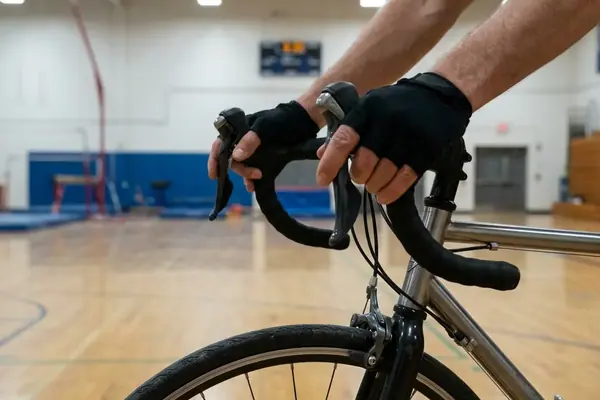
Modern cycling computers offer a dizzying array of metrics, transforming the handlebars into a glowing dashboard of performance analytics. A new rider often starts with good intentions, hoping to track basic progress and fitness. Quickly, the screen fills up. It is common to see cyclists monitoring upward of 9 and as many as 12 distinct metrics on a single head unit screen during a casual Sunday spin. This overwhelming stream of numbers demands constant attention, pulling the rider's eyes away from the road and the scenery.
Choosing the wrong training metric can drain your finances and destroy your passion for riding. Overcomplicating your setup often leads to data fatigue rather than actual fitness gains. Amateur riders risk losing the fundamental joy of cycling by treating weekend rides like professional data-gathering missions. The mental energy required to process a dozen fluctuating numbers detracts from the physical experience of pedaling.
The cognitive load extends far beyond the ride itself. Returning home, the modern amateur often dives straight into a typical 45 to 60-minute post-ride data analysis session. They scrutinize power curves, pedal smoothness, and torque effectiveness before even washing their water bottles. This intense focus on granular data points creates a disconnect from the simple pleasure of moving a bicycle through space. The pursuit of fitness becomes a stressful administrative task.
Data Overload Warning
Filling every available data field on your computer screen actively degrades your ability to perceive your own physical exertion levels. Strip your main riding screen down to three essential metrics to rebuild your intuitive sense of pacing.
The Pre-Match Tale of the Tape
Understanding the tools at our disposal requires defining their fundamental mechanisms. Introducing the contenders: the accessible heart rate monitor versus the premium power meter. These two devices approach the concept of physical exertion from entirely different angles. Power measures absolute mechanical output at the crank spider or pedal spindle. It tells you exactly how much force you are driving into the drivetrain in real time. Heart rate measures the body's internal physiological response in beats per minute. It reveals the biological cost of producing that force.
Setting the context for the amateur cyclist who balances training with a full-time job and daily life stress changes the evaluation criteria. A professional athlete relies on absolute precision to secure a livelihood. The amateur needs a sustainable, reliable method to build fitness without adding unnecessary complexity to an already busy schedule. The tools must serve the rider's lifestyle.
The most critical distinction between these two metrics is the element of time. There is a physiological response delay of 15 to 45 seconds during sudden accelerations when tracking heart rate. When you sprint for a city limit sign, your muscles demand oxygen immediately, but your cardiovascular system takes a moment to ramp up the delivery. The power meter registers the spike in watts instantly. The heart rate monitor catches up shortly after. Understanding this delay is essential for structuring effective interval sessions and managing expectations during dynamic group rides.
Round One: The Financial and Setup Barrier
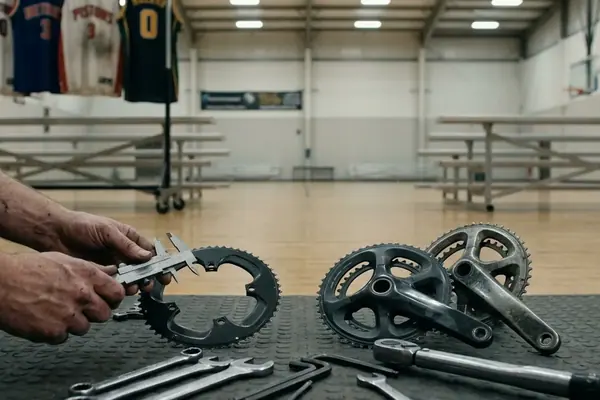
Upgrading a bicycle with new technology always introduces a learning curve and a hit to the wallet. Power meters require a significant financial investment, often involving new cranks, pedals, or spiders, plus ongoing calibration. The hardware itself is complex, housing delicate strain gauges and wireless transmitters within components that must withstand immense physical stress and harsh weather conditions.
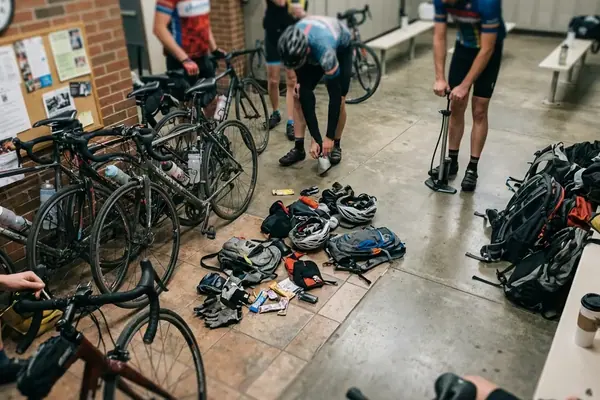
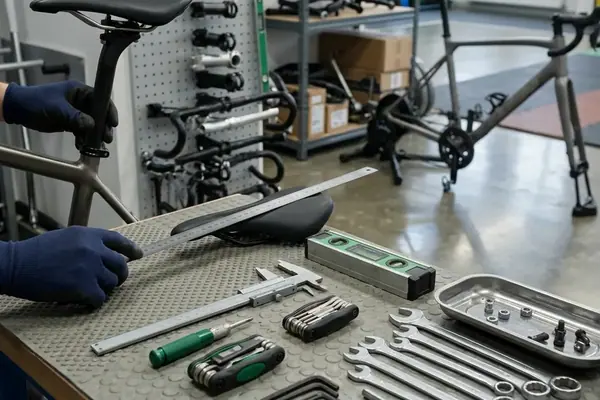
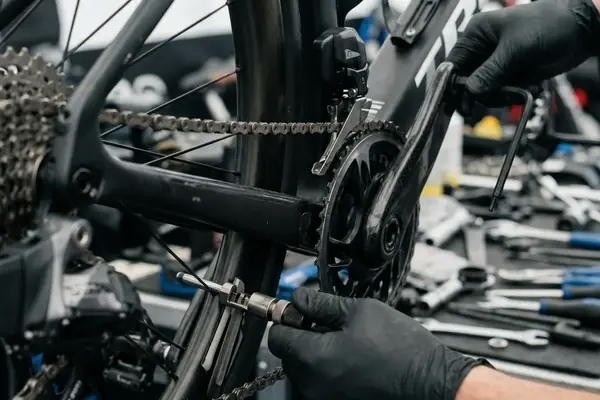
The installation process presents a substantial hurdle. Working on standard road frames reveals the true extent of this friction, particularly regarding bottom bracket compatibility issues. The procedure requires 45 to 90 minutes for crank-based installation and torque calibration. Precision is mandatory. An improperly torqued crank arm will yield inaccurate wattage readings, rendering the expensive upgrade useless. Ongoing community workshops focused on endurance training have highlighted this exact friction point, noting how technical intimidation keeps many riders from optimizing their training.
Heart rate straps offer a highly accessible entry point. The technology is mature, reliable, and universally compatible. Chest strap pairing completes in 10 to 15 seconds via standard wireless protocols. You wet the electrodes, snap the sensor into place, and the head unit immediately recognizes the signal. This simplicity removes technical friction, allowing riders to focus on the effort rather than equipment troubleshooting. You spend your limited free time turning the pedals instead of turning wrenches.
Round Two: Real-World Pacing and Fatigue
The theoretical advantages of instantaneous data often clash with the messy reality of outdoor riding. While power meters provide instantaneous feedback for short, punchy efforts, they ignore the rider's physical state. A target of 250 watts remains 250 watts regardless of whether you slept eight hours or tossed and turned all night. The strain gauge does not know if you are fully hydrated or running on empty.
Attempting to pace a local climb using strict wattage targets can quickly become problematic. During a sustained 12 to 15-minute climbing effort, environmental factors heavily influence the body's ability to produce force. We dropped the strict wattage approach after realizing the intense Arkansas summer humidity was causing dangerous core temperature spikes. Pushing a predetermined power number in ambient temperatures just over 92 degrees Fahrenheit with high humidity forces the body into a state of distress.
Summer Pacing Adjustment
When the heat index rises, your cardiovascular system works double duty to cool the skin and fuel the muscles. Cap your climbing efforts by heart rate rather than mechanical output to prevent dangerous overheating during mid-summer rides.
Heart rate acts as a crucial warning system for heat, dehydration, and accumulated fatigue during long endurance rides. It reflects the total stress on the organism. Furthermore, heart rate lag times vary significantly based on ambient temperature and rider hydration levels. A dehydrated rider will see their heart rate spike much faster and stay elevated longer than a well-hydrated rider executing the exact same mechanical workload. Power data is undeniably superior for elite track sprinters executing micro-intervals, but this precision is largely unnecessary for recreational endurance building.
The Final Verdict: Why Physiology Wins
The match result becomes clear when evaluating the needs of the everyday rider. Heart rate training takes the definitive win for the everyday amateur cyclist. It provides a broader view of the body's readiness to perform and its reaction to the prescribed workload. Listening to internal strain promotes long-term consistency and helps prevent overtraining. This pattern is familiar among amateur endurance cyclists.
Ignoring physiological signals in favor of mechanical targets carries significant risk. Strict adherence to power targets during early stages of viral illness leads to severe overtraining. The muscles might still be capable of hitting the numbers for a short duration, but the immune system pays a heavy price. A heart rate monitor will immediately flag the abnormal cardiovascular response, signaling the rider to back off and recover.
Tracking morning resting heart rate variations of 5 to 8 beats per minute offers a reliable indicator of systemic fatigue. An elevated resting heart rate suggests the body is still processing the previous day's effort or fighting off an impending illness. For riders accumulating 8 to 12 hours of weekly saddle time, managing this fatigue is the key to continuous improvement. Sustainable progress comes from understanding how your body feels and reacts, alongside the mechanical force it can produce on a given day.
Your Next Move on the Bike
Establishing your personal training zones requires a dedicated, focused effort. Schedule a 30-minute uninterrupted ride to establish your baseline metrics. Select a continuous stretch of the local river trail to minimize traffic interruptions, stoplights, and sharp descents that force you to stop pedaling. Consistency in your environment yields the most accurate physiological data.
Execute a steady, hard effort to find your Lactate Threshold Heart Rate (LTHR). Warm up thoroughly for at least twenty minutes. Begin the 30-minute uninterrupted effort at a pace you feel you can barely sustain for the entire duration. Ten minutes into the effort, press the lap button on your head unit. You will be capturing the average heart rate over the final 20 minutes of the test. This twenty-minute average represents your LTHR.
One critical environmental factor requires your attention. Executing this field test during peak afternoon heat will artificially inflate your threshold numbers due to cardiac drift, so schedule the effort for early morning. While this specific threshold methodology applies primarily to steady-state endurance building rather than explosive criterium racing, the underlying physiological principles remain constant across all cycling disciplines.
Use this single, practical field test to calculate your personal training zones and structure your upcoming rides. Set your alarm for 6:00 AM tomorrow, mount your heart rate strap, ride to the flattest uninterrupted stretch of your local trail, and start your 30-minute threshold test.