Let July Power Drop So Summer Training Holds Together
Deliberately easing your wattage in July and August can preserve the training consistency that builds fitness. Forcing spring targets through Arkansas humidity can turn a controlled workout into an effort that costs you the next ride, too.
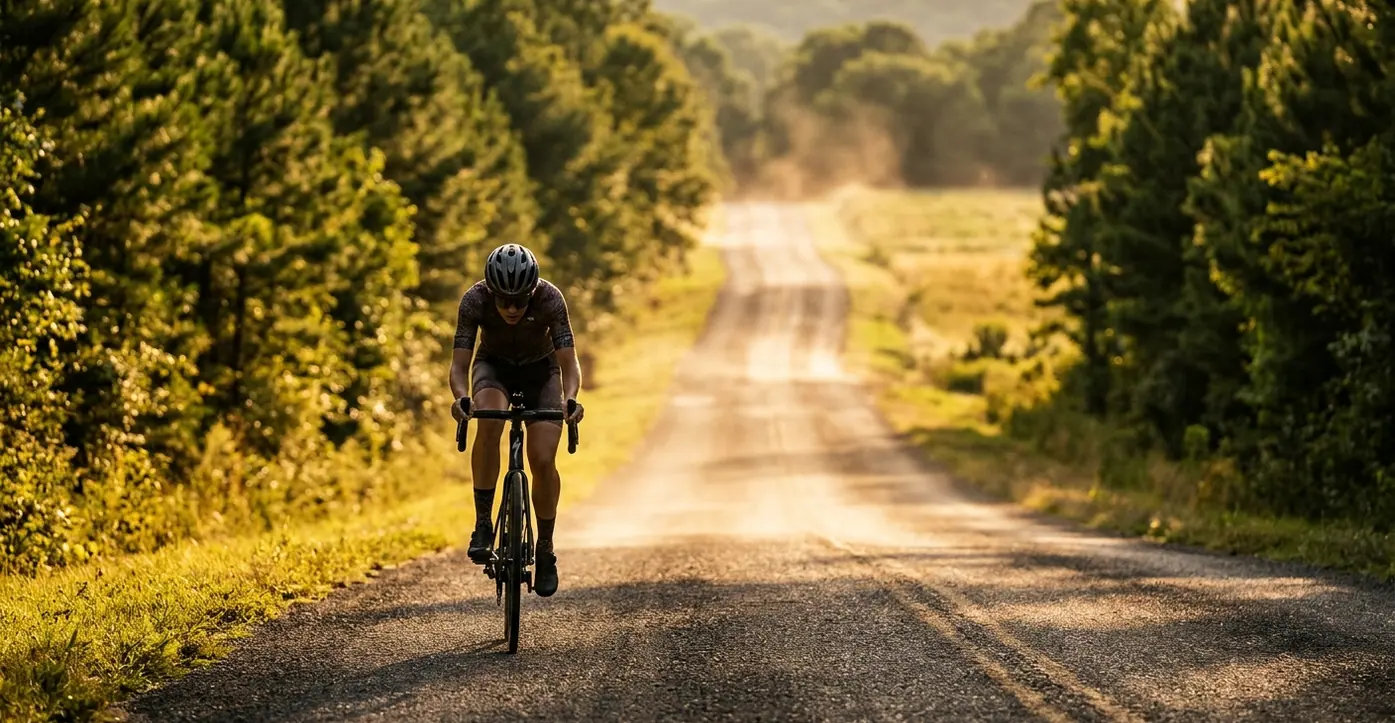
I start a summer pacing review with a familiar moment: rolling away from the Big Dam Bridge toward Maumelle, seeing an easy-looking power number, then noticing heart rate climbing anyway. The legs still turn comfortably. The breathing tells a different story.
That mismatch catches plenty of riders on the Arkansas River Trail. An April power target feels like a fair benchmark until July adds hot pavement, strong sunshine, and a high dew point. Matching the old file now demands more cardiovascular effort.
The power meter still measures useful mechanical work. It simply cannot tell you how much cooling work your body has added behind the scenes.
Keep the purpose of the session fixed; let the watts move. An endurance ride should leave room for recovery. A threshold session should deliver controlled hard work. When heat pushes either session beyond its intended effort, reduce power early instead of waiting for the familiar blowup.
Why Your Heart Works Harder While Your Legs Ease Off
Why does heart rate rise when power stays steady?
Your circulation has two demanding jobs during a hot ride. Working skeletal muscles need blood flow to support pedaling. Blood vessels near the skin also widen, moving heat toward the surface so the environment can carry it away.
Those demands share the same cardiac output. As heat strain builds, skin blood flow increases, and fluid loss through sweating can reduce circulating plasma volume. The amount of blood pumped with each heartbeat, called stroke volume, can fall. Heart rate then rises to help maintain output.
That progressive separation between steady power and rising heart rate is cardiovascular drift. Research on cardiovascular drift and thermoregulatory strain during prolonged exercise in the heat explains the physiological problem behind the head-unit mismatch.
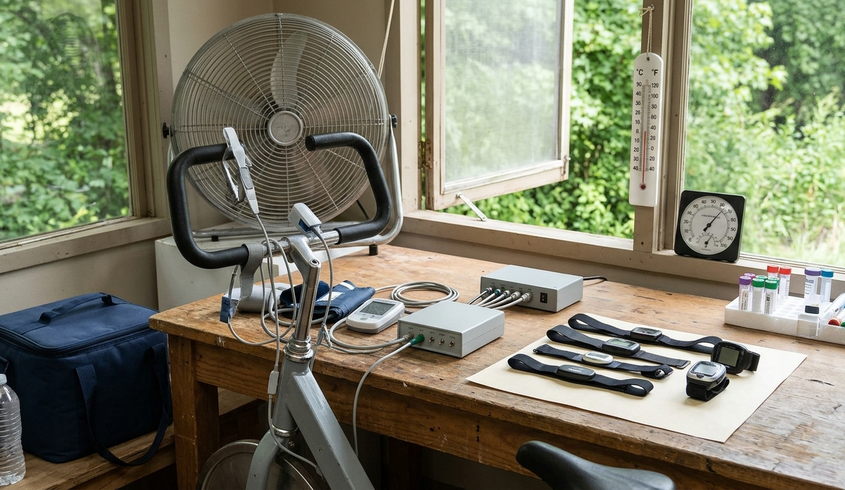
Humidity makes shedding that heat harder. A high dew point reduces the opportunity for sweat to evaporate. Sweat that falls from your skin onto a Giant TCR top tube and then drips onto the pavement has missed its opportunity to remove heat through evaporation from your skin.
A soaked jersey therefore tells you that you are sweating heavily. It does not measure how effectively you are cooling. Watch breathing, perceived effort, and heart-rate behavior alongside the wet fabric.
Give Heart Rate Veto Power on Muggy Climbs
Start with three readable head-unit fields: heart rate, lap-average power, and short-average power. Add lap heart rate if your device supports it. Beginners can keep the display simple; the goal is to spot a rising internal cost without chasing every flicker of watts.
Build a Ceiling Before Chasing a Target
- Choose the session's effort ceiling. Use your established heart-rate zones and familiar breathing cues. Easy endurance should still allow comfortable conversation.
- Begin below the planned power. Let breathing and heart rate settle before increasing pressure on the pedals.
- Ease off when effort escapes the session. If heart rate keeps climbing at steady power, or conversation becomes strained during an easy ride, shift down and reduce output.
- Check recovery before repeating. Start the next hard effort after breathing and heart rate settle, extending the recovery when necessary.
For sustained efforts, pair the heart-rate ceiling with perceived exertion. On short, steep anaerobic pitches such as Beechwood, heart rate responds too slowly to police the initial surge, so control power and pedal pressure from the start.
Let Airflow Change the Workout
Out toward Scott and Toltec Mounds, open flats can provide useful airflow while you maintain road speed. Those same roads expose you to sunshine, so a comfortable opening stretch still needs restraint.
Compare that with the roads climbing toward Shinall Mountain or around Pinnacle Mountain. Slower climbing reduces airflow just as the pedaling demand increases. Shift early and allow speed to fall.
For an advanced adjustment, split a planned fifteen-minute threshold effort into three five-minute repeats with generous shaded recovery between them. Treat that as a workout option, rather than a universal heat formula. Sweet spot blocks can follow the same principle: shorter efforts, longer recovery valleys, and a shaded loop when available.
Use Bottles for Hydration and Ice for Cooling
Fluid replacement and external cooling solve different parts of the heat problem. Drinking supports hydration and circulating blood volume. Cooling the skin helps transfer heat out of the body. A successful rural loop makes room for both.
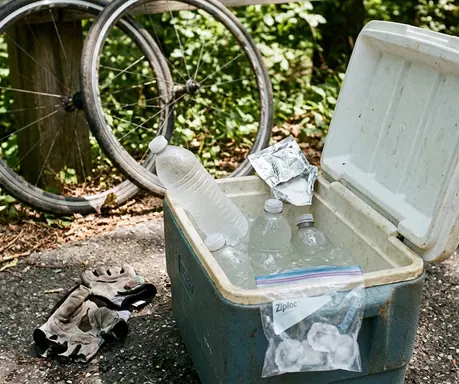
Before rollout, drink normally and include a familiar sodium-containing drink or food when preparing for prolonged sweaty riding. Sodium helps replace an electrolyte lost in sweat. Practice your drink choice on an easy local route before taking it on a long weekend ride.
Chill insulated bottles beforehand. Partially freezing one can keep a later drink cold while leaving another ready to use immediately. Carry enough accessible liquid to reach the first refill stop.
At a rural store, take a shaded break and replenish both supplies. A securely tied stocking of crushed ice placed over clothing at the upper back can provide temporary cooling as it melts. Keep it clear of helmet straps and anything that could interfere with steering.
Sloshing Means Back Off
A stomach full of water cannot rescue an effort that keeps generating excessive heat. Large, repeated gulps can outpace what your gut comfortably handles, leaving you bloated while thermal strain continues.
Reduce effort, find shade, and cool down rather than forcing more plain water. Drink steadily and avoid trying to get ahead of the heat by consuming excessive fluid.
Stop riding if headache, nausea, dizziness, or unusual weakness develops. Confusion or collapse warrants emergency help and immediate cooling.
Put Hard Arkansas Miles at Dawn and Protect Recovery
Build summer training plans around the session that needs the most quality. Put threshold work, demanding hill repeats, or a hard group ride near dawn, before direct sunshine and pavement heat add to the load. Morning humidity can still feel oppressive, so keep the same effort checks.
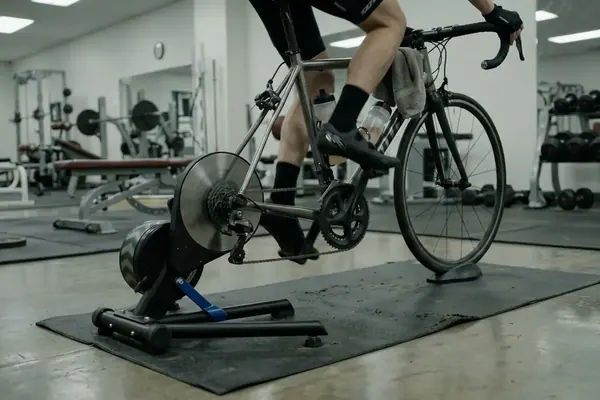
Place easier riding around that priority session. A shaded recovery spin or indoor endurance ride preserves continuity without making every outing a heat test. Choose local routes with refill stops and straightforward shortcuts home.
Heat acclimation belongs in the plan as a separate stress. Repeated, manageable heat exposure can support adaptations including plasma-volume expansion. If using a warmer late-afternoon ride, keep it genuinely easy and finish with recovery capacity left. During heat advisories, move the session earlier or indoors instead of deliberately adding exposure.
The useful progression is simple: establish comfortable easy rides, add controlled warm-weather exposure, then assess whether sleep, appetite, and the next quality session remain steady. Extra heat has to earn its place in the week.
Tomorrow, will you chase the ego of your spring power file or pace the ride by the physiological reality of your summer heart-rate response?